
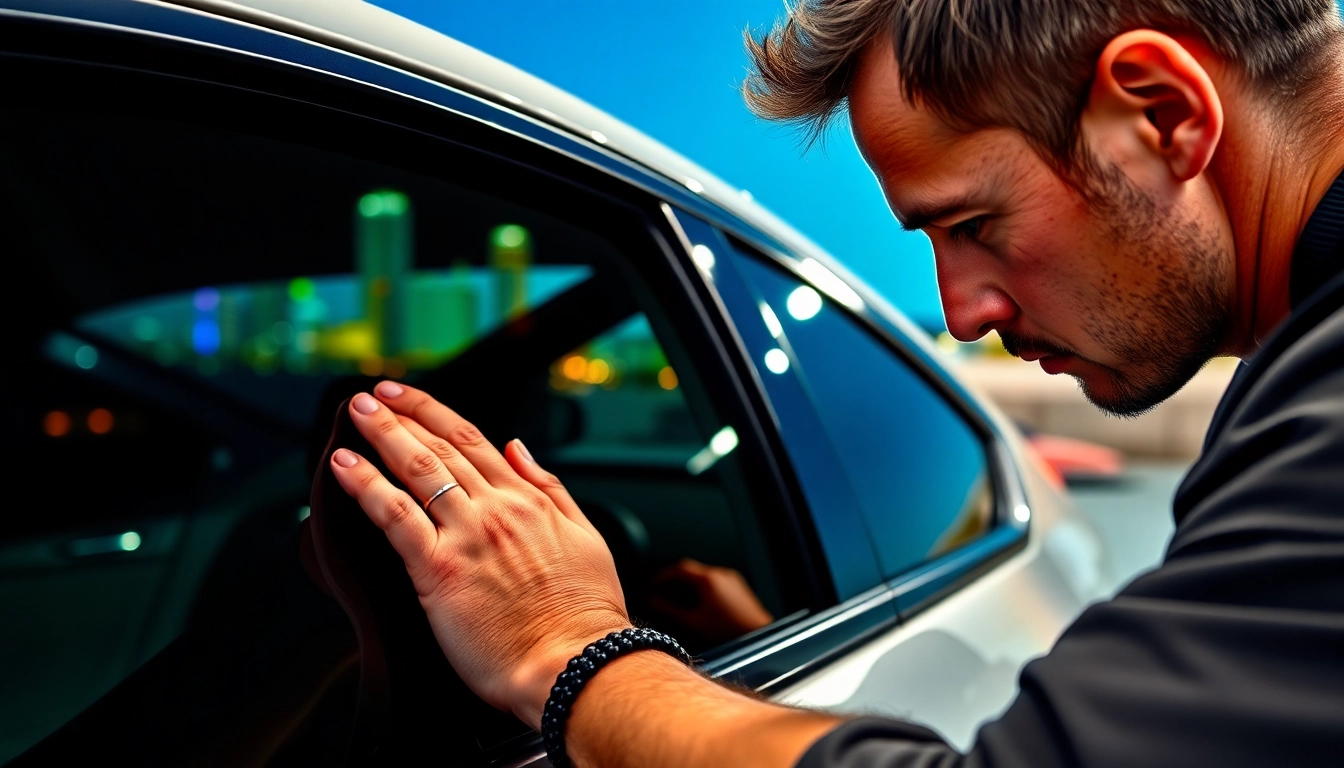
Understanding Window Tint Types
When it comes to enhancing the experience of driving in hot climates or adding a layer of privacy to your vehicle, window tint Chattanooga stands out as an increasingly popular choice among vehicle owners in the area. But what exactly does “window tint” entail, and what are the types available? This comprehensive guide aims to dissect the intricacies of window tinting, exploring its benefits, types, and relevant legal considerations specifically within the state of Tennessee.
1.1 Benefits of Window Tint Chattanooga
Window tinting offers a multitude of benefits that can vastly improve your driving experience. Here are the most significant advantages:
- Heat Reduction: High-quality window tints can block up to 99% of harmful ultraviolet (UV) rays, effectively keeping the interiors of your vehicle cooler, which is crucial during the hot summer months.
- Increased Privacy: One of the most sought-after features, tinted windows provide a sense of privacy and security, preventing prying eyes from seeing inside your vehicle.
- Protection Against Fading: Prolonged exposure to sunlight can fade your car’s upholstery and dashboard. Window tint acts as a protective barrier, preserving your vehicle’s interior.
- Improved Aesthetics: A well-tinted car can give your vehicle a sleek, streamlined appearance, enhancing its overall visual appeal.
- Safety: Tints can add an extra layer of shatter resistance to your windows, which can be particularly beneficial in the event of an accident.
1.2 Different Window Tint Materials
Understanding the different types of materials used in window tinting is essential for making an informed decision. Here are the primary categories:
- Dyed Film: This type involves applying a layer of dye between an adhesive layer and a protective top coating. While cost-effective, it offers less heat rejection and longevity compared to other options.
- Metalized Film: This film incorporates tiny metallic particles, providing better heat rejection and durability. However, it may interfere with electronic devices.
- Carbon Film: A relatively recent innovation, carbon films provide exceptional heat rejection and fade resistance without the reflective qualities of metalized films.
- Ceramic Film: This is the top-tier option, offering powerful UV protection, durability, and heat rejection without altering visibility. It’s the most expensive, but for those serious about quality, it is worth the investment.
1.3 Legal Considerations in Tennessee
Before applying window tint to your vehicle, it is crucial to understand the legal guidelines governing its use in Tennessee. The laws concerning window tinting cover aspects such as darkness and reflectivity:
- Windshield: Must allow more than 70% of light in, although tinted strips are allowed at the top.
- Front Side Windows: Must also allow more than 70% of light in.
- Back Side Windows: Tints can be as dark as desired.
- Rear Window: Unrestricted; however, vehicles must have functional side mirrors if tinted.
Failing to adhere to these regulations can result in fines and the need to remove the tint.
Choosing the Right Tint for Your Vehicle
Selecting the appropriate window tint can be an overwhelming task, given the variety of choices available. By considering essential factors, you can make a decision that meets your needs and preferences.
2.1 Factors to Consider
When selecting window tint, several vital factors should influence your choice:
- Purpose: Decide whether your primary need is heat reduction, UV protection, aesthetics, or security.
- Budget: Determine how much you’re willing to invest in window tinting. Quality can vary greatly with price.
- Legal Restrictions: Always check local regulations on tint darkness and reflectivity. Compliance is crucial to avoid legal issues.
- Climate: Consider Chattanooga’s climate; optimal heat-rejecting films can be a worthwhile investment.
- Longevity: Evaluate the durability and warranty options associated with the tint film materials.
2.2 Popular Shades and Finishes
Window tinting films come in various shades and finishes. Common selections include:
- Light Tint: Usually a clear or light shade, this option provides minimal privacy but retains high visibility.
- Medium Tint: Offering a balance between privacy and visibility, this shade works well for those seeking slight reductions in light entry.
- Dark Tint: This option provides maximum privacy but can decrease visibility, especially at night. It’s often favored for luxury vehicles.
- Reflective Finish: Featuring a shiny, mirrored look, reflective tints enhance aesthetics while reflecting heat.
- Satin Finish: This provides a smooth look without high reflectivity, offering a modern and stylish alternative.
2.3 Matching Your Car’s Aesthetic
Ultimately, the right window tint should not only serve functional purposes but also complement the overall aesthetic of your vehicle. Here are some tips to ensure a seamless integration:
- Consider Vehicle Color: Darker shades often pair well with lighter-colored vehicles, while lighter tints can visually enhance darker cars.
- Overall Theme: Match your tint with other visual aspects of your vehicle, such as the color of the rims or interior.
- Get Expert Opinions: Don’t hesitate to consult professionals who can provide insights based on experience and craftsmanship.
Professional vs. DIY Window Tint Installation
When it comes to window tint installation, you have two primary options: professional services or DIY methods. Each approach has its pros and cons, which we will explore below.
3.1 Pros and Cons of Professional Installation
Choosing professional installation offers distinct advantages:
- Expertise: Professionals have the experience and specialized skills necessary for quality installation.
- Tools: They use professional-grade tools and materials, ensuring a clean and precise finish.
- Warranty: Many professionals offer warranties, protecting you against potential issues.
Yet, the downsides can include:
- Cost: The expense can be significantly higher compared to DIY attempts.
- Scheduling: Awaiting appointments can be inconvenient if you need a quick solution.
3.2 Tools Required for DIY Tinting
If you choose to go the DIY route, here’s a list of essential tools you’ll need:
- Window Tint Film: Purchase the appropriate film for your vehicle’s windows.
- Application Solution: A mixture of water and soap can help during installation.
- Heating Tool: A heat gun or hairdryer assists in conforming the tint to window curves.
- Squeegee: Essential for smoothing out the film and removing air bubbles.
- Utility Knife: For precise trimming of the film edges.
3.3 Common Mistakes to Avoid
Undertaking DIY window tinting can lead to potential mistakes. Here are common pitfalls and how to avoid them:
- Poor Surface Preparation: Ensure the windows are thoroughly cleaned; debris can cause bubbling.
- Incorrect Film Cutting: Measure twice and cut once; inadequate measurements can lead to wasted materials.
- Rushing the Process: Take your time to ensure proper installation; rushing can result in mistakes.
- Skipping the Solution: Use application solution as needed; it helps in maneuvering the film easily.
- Not Using Heat: Failing to use a heating tool can lead to areas of lifting or bubbling; heating helps the adhesive bond correctly.
Maintenance and Care for Your Window Tint Chattanooga
Once your window tint is installed, maintaining its condition is paramount for longevity and effectiveness. Follow these tips for optimal care.
4.1 Cleaning Tips for Longevity
To ensure the durability of your window tint, adopt these cleaning methods:
- Use Mild Cleaners: Avoid ammonia-based products, which can degrade window film. Instead, opt for vinegar or specialized tint-safe cleaners.
- Soft Cloths: Use microfiber cloths to avoid scratching the tint. Avoid abrasive materials.
- Gentle Handling: Be cautious when cleaning edges or seams, as heavy pressure can cause creasing.
4.2 Signs of Damage to Watch For
Awareness of potential damage can help prolong the life of your window tint:
- Bubbling: Indicates a failure in adhesion, often caused by improper application or exposure to excessive heat.
- Peeling Edges: If the edges begin to lift, it could be a sign of inadequate installation or aging material.
- Fading: Areas that appear lighter than others may indicate the tint is deteriorating.
4.3 When to Replace Your Window Tint
Timing for replacement can vary based on several factors:
- Visible Damage: If you notice significant bubbling, peeling, or fading, it’s time for a replacement.
- Legal Changes: If local regulations alter and your tint becomes non-compliant, it will need to be redone.
- New Vehicle: If you purchase a new vehicle, consider replacing the tint for optimal performance and aesthetic integrity.
Frequently Asked Questions about Window Tint Chattanooga
5.1 How long does window tint last?
With proper care, window tint can last 5-10 years depending on the type and installation quality.
5.2 Does window tinting reduce heat?
Yes, quality window tint significantly reduces heat inside vehicles, enhancing comfort.
5.3 Can I tint my car windows myself?
While DIY is possible, professional installation ensures better results and adherence to regulations.
5.4 Is window tinting legal in Chattanooga?
Tennessee has specific laws regarding tint shades. Always check the latest regulations before tinting.
5.5 How does window tint affect visibility?
Quality tints are designed to provide UV protection while maintaining visibility and aesthetic appeal.