
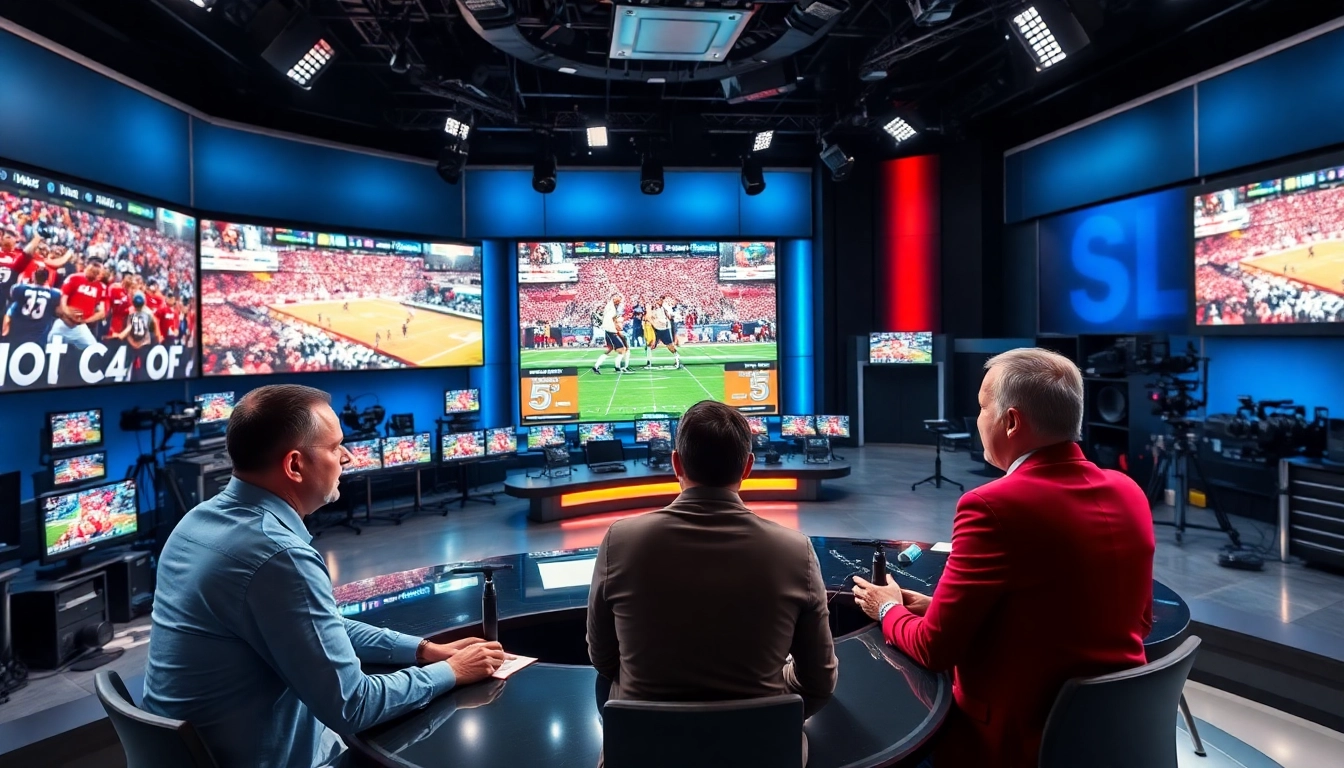
Understanding the Landscape of Sports Broadcasting
1. Definition and Importance of Sports Broadcasting
Sports broadcasting refers to the transmission and coverage of sports events through various media channels, including television, radio, and online platforms. This genre of broadcasting is crucial not just for informing fans about events, but also for enhancing the overall spectator experience. The Sports Broadcasting landscape plays a pivotal role in shaping public interest, driving revenue for leagues, and providing livelihoods for countless professionals in the industry. With an increasing number of options available to consumers, the importance of effective broadcasting cannot be overstated.
2. Key Players in the Sports Broadcasting Industry
The sports broadcasting industry features a diverse array of key players, each contributing to the ecosystem in unique ways. Major television networks, cable providers, and streaming services are at the forefront, often holding exclusive rights to broadcast sports events. Additionally, sports leagues, teams, and athletes are crucial stakeholders, as they generate the content that drives viewer engagement.
Moreover, production companies and technology providers are vital behind-the-scenes players that facilitate high-quality broadcasts. They ensure that broadcasts are not only visually appealing but also technologically advanced, incorporating real-time analytics and interactive features that elevate the viewer experience.
3. Evolution of Sports Broadcasting Platforms
From the early days of radio broadcasts to today’s multi-platform environments, the evolution of sports broadcasting platforms reflects changes in consumer behavior and technology. Initially, sports events were covered on radio, followed by television, which revolutionized the industry by offering visual content and live coverage.
With technological advancements, streaming platforms have emerged as key players, enabling viewers to access content on-demand from anywhere in the world. This shift has necessitated changes in rights agreements and distribution methods, compelling traditional broadcasters to adapt and innovate their offerings.
Essential Tools and Technologies for Effective Sports Broadcasting
1. Equipment Needed for Sports Broadcasting
The foundation of effective sports broadcasting lies in high-quality equipment. Essential tools include cameras capable of high-definition and slow-motion capture, microphones for clear audio, and dedicated broadcasting software. Additionally, hardware like switchers, graphics generators, and replay systems enhance the visual and auditory aspects of broadcast.
Investing in mobile broadcasting units can be instrumental for on-location coverage, offering flexibility and mobility for live sports events. Properly selecting and maintaining equipment can greatly improve the overall quality of broadcasts, affecting audience retention and engagement.
2. Emerging Technologies in Sports Broadcasting
Emerging technologies are continuously transforming sports broadcasting, with several innovations gaining traction. Virtual Reality (VR) and Augmented Reality (AR) are particularly noteworthy, as they provide immersive experiences that allow fans to feel as though they are part of the action. These technologies can be integrated into broadcasts through unique camera angles and interactive graphics.
Artificial Intelligence (AI) is also becoming increasingly significant. AI can assist in data analysis, producing highlights, and automating certain production tasks, which streamlines the entire broadcasting process. As technology evolves, incorporating these advances can foster new levels of audience interaction and engagement.
3. Software Solutions for Streamlining Processes
Broadcasters utilize various software solutions to streamline their operations, enhancing the overall viewing experience. Content Management Systems (CMS) help manage video libraries and facilitate quick access to programming. Live-streaming platforms are also essential to ensure uninterrupted coverage.
Additionally, analytics software enables broadcasters to gather data on viewership patterns, preferences, and engagement metrics. Analyzing this data is invaluable for tailoring content to audience preferences and optimizing live broadcasts.
Audience Engagement Strategies in Sports Broadcasting
1. Creating Compelling Content for Viewers
Creating compelling content is essential for maintaining viewer interest and engagement. Quality sports coverage should include not only live event broadcasts but also pre-game and post-game analyses, insider interviews, and behind-the-scenes features that enrich the narrative of the sports being covered.
Utilizing storytelling techniques can transform simple game reports into captivating content that resonates with fans and invites deeper emotional connections to teams and athletes. Incorporating local and cultural elements can also enhance viewer relativity and drive additional interest.
2. Utilizing Social Media for Interaction
Social media platforms are invaluable for fostering interaction among fans, hosts, and players. Broadcasters can leverage these platforms for real-time updates, behind-the-scenes content, and engaging directly with viewers through chat features and live polls during broadcasts. This interchange cultivates a community atmosphere, making viewers feel part of the event rather than passive observers.
Effective social media strategies can also include influencer partnerships, promotions, and campaigns that engage broader audiences and drive traffic back to broadcasting platforms.
3. Analyzing Viewership Data for Improvement
Data analysis is a cornerstone of successful sports broadcasting. By utilizing advanced analytics, broadcasters can track viewer engagement, demographics, and preferences, enabling them to refine content offerings. Regularly assessing viewership data allows for quick adaptations to programming strategies, ensuring that what is offered resonates with target audiences.
Broadcasting companies that prioritize data analysis are likely to maintain a competitive edge, navigating the ever-changing broadcasting landscape more effectively.
Legal Considerations and Ethical Standards
1. Copyright Issues in Sports Broadcasting
Copyright is a significant legal concern within the realm of sports broadcasting. Rights to broadcast events must be negotiated and secured to avoid legal repercussions. Broadcasters must navigate complex agreements and understand the implications of copyright permissions for content reuse, ensuring compliance to avoid costly legal battles.
Given the high stakes involved in live sports broadcasting, maintaining diligence in compliance and contract management is crucial for security and operational continuity.
2. Ethical Reporting in Sports Journalism
Ethics in sports journalism is an overarching concern, impacting public trust and industry reputation. Reporting should remain unbiased, factual, and respectful, adhering to standards that maintain the integrity of the coverage. Ethical dilemmas often arise when covering sensitive topics such as athlete controversies or injuries, requiring careful navigation.
Establishing a firm ethical framework not only enriches reporting quality but also solidifies audience trust and loyalty to broadcasting networks.
3. Navigating Broadcasting Rights Agreements
Broadcasting rights agreements dictate how and where sports content can be aired, often involving extensive negotiations between leagues, teams, and media outlets. Understanding these contracts is crucial, as they define exclusivity, duration, and financial terms. Being proactive in negotiations can lead to favorable conditions that benefit all parties involved.
Additionally, maintaining good relationships with rights-holding entities facilitates future agreements and ensures smoother operations.
Future Trends and Innovations in Sports Broadcasting
1. The Rise of Streaming Services in Sports Broadcasting
With the steady decline of traditional cable subscriptions, streaming services have become a major force in sports broadcasting. These platforms allow for flexible viewing options, catering to an audience that increasingly favors on-demand access. Such services have led to changes in how rights agreements are structured and negotiated, shifting the balance of power in favor of content providers.
As streaming platforms continue to innovate, offering unique features and personalized experiences, traditional broadcasters must adapt by integrating streaming capabilities to retain their audience base.
2. Enhancing User Experience through Augmented Reality
Augmented Reality (AR) is set to redefine how sports are experienced by viewers. By overlaying digital information onto the real world, AR can provide real-time statistics, player bios, and immersive experiences that engage audiences like never before. Implementing AR elements into broadcasts can significantly heighten viewer interaction and satisfaction, making them feel closer to the action.
Growth in AR technology can be a game-changer, offering broadcasters a competitive edge and enhancing the overall enjoyment of sports viewing.
3. Sustainability Practices in Sports Broadcasting
Sustainability is increasingly important in all sectors, including sports broadcasting. As environmental concerns grow, broadcasters are implementing practices to reduce their carbon footprint, such as using energy-efficient equipment, sustainable materials, and reducing travel through digital content sharing.
Embracing sustainability characteristics is not only ethically responsible but also appeals to a growing demographic of conscious consumers, positively impacting brand reputation and audience loyalty.
FAQs
What is Sports Broadcasting?
Sports broadcasting refers to the transmission of sports events on television, radio, and online platforms, offering live coverage and commentary.
How has technology impacted Sports Broadcasting?
Technology has transformed sports broadcasting through digital streaming, enhanced graphics, and viewer interaction via social media, improving audience engagement.
What are common challenges in Sports Broadcasting?
Key challenges include managing broadcasting rights, maintaining viewer interest amidst competition, and ensuring high-quality production standards.
What role do social media platforms play in Sports Broadcasting?
Social media platforms enhance viewer interaction, provide real-time updates, and create a community around events, essential for audience engagement.
What trends are shaping the future of Sports Broadcasting?
Trends such as the shift to streaming services, interactive content, and advanced viewer analytics are reshaping how sports are consumed and broadcasted.